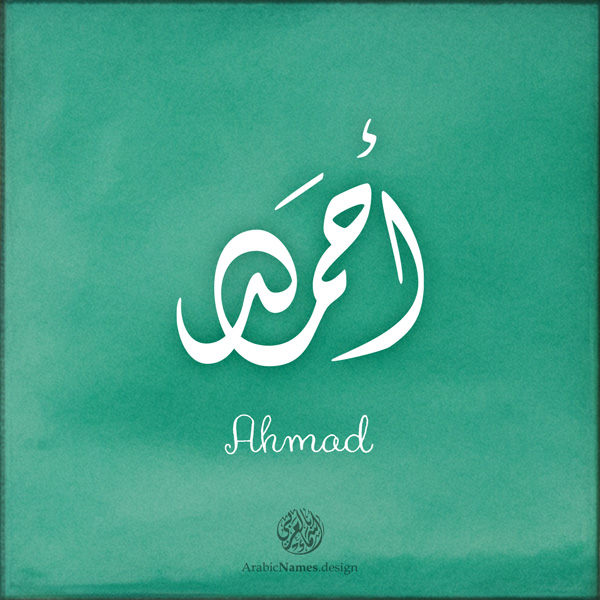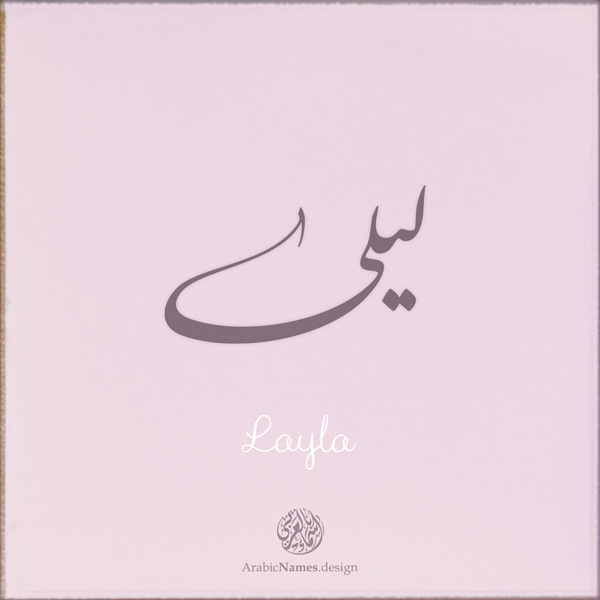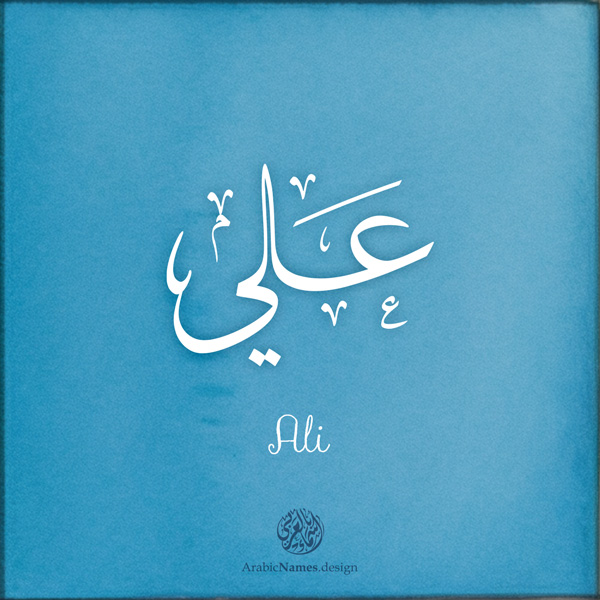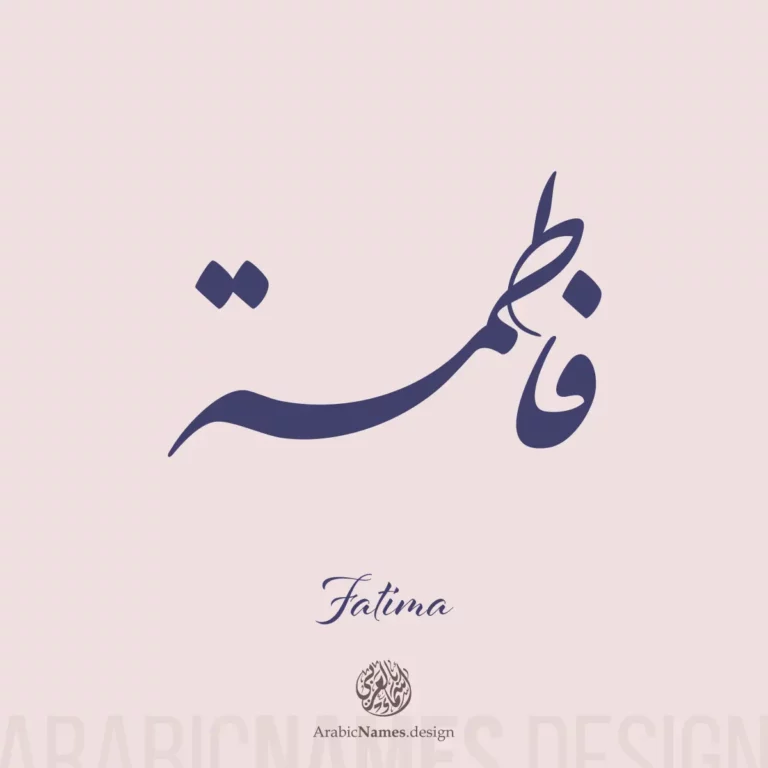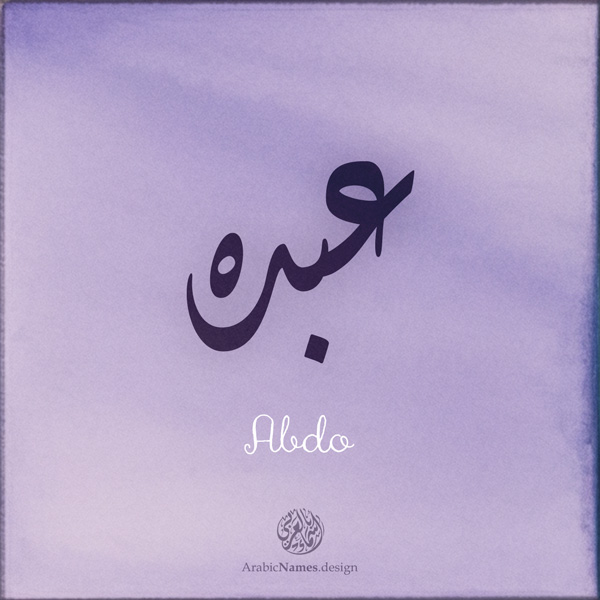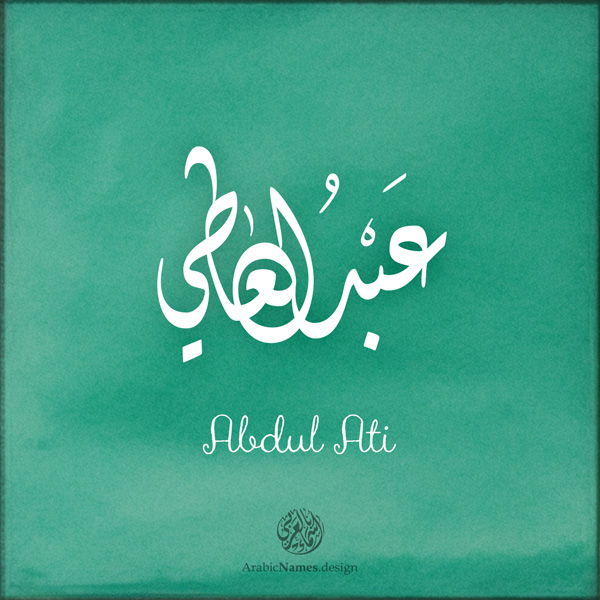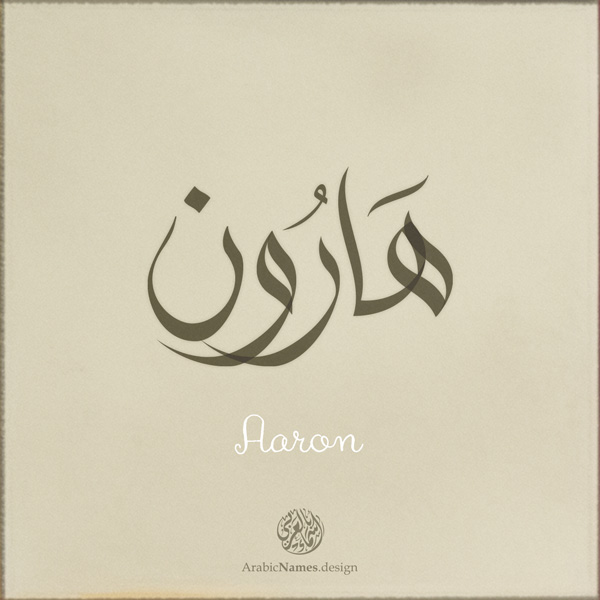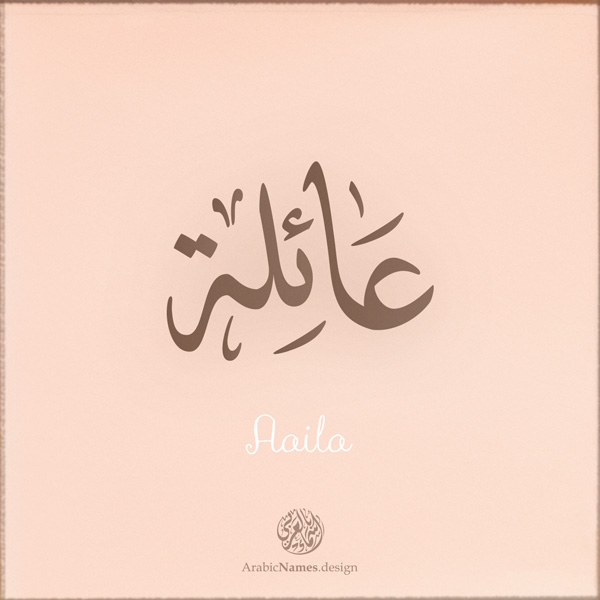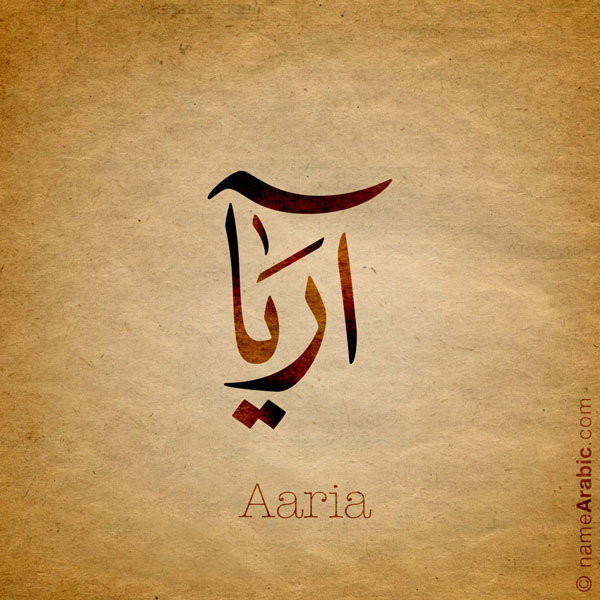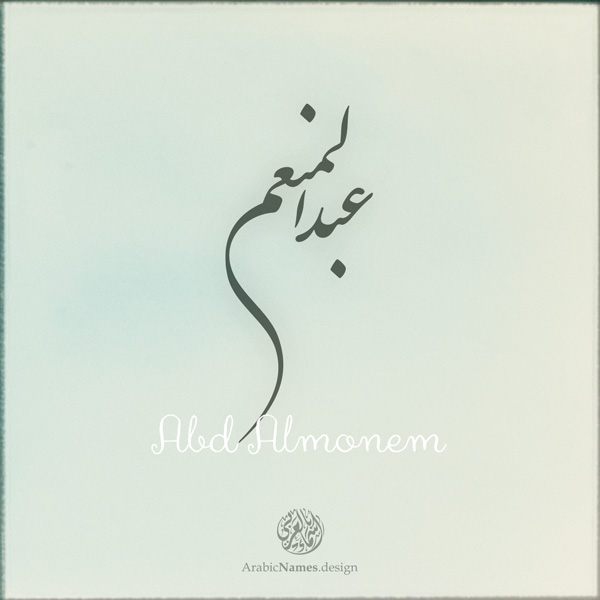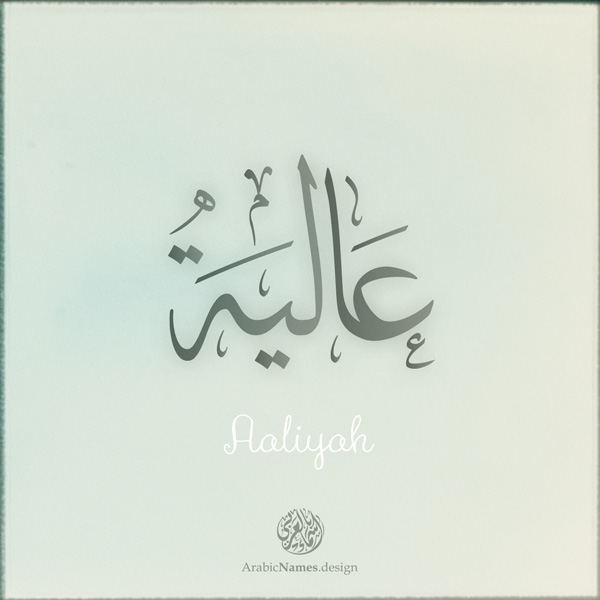
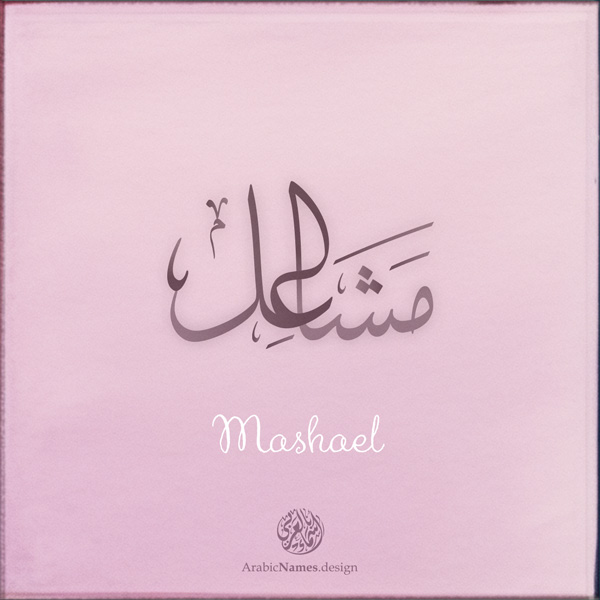
Thuluth خط الثلث
Majestic and expressive, with long vertical strokes, sweeping curves, and carefully balanced compositions.
Explore Thuluth NamesArabic Calligraphy Name Archive
تصاميم الأسماء بالخط العربي
Search a growing archive of Arabic and international names written in classical and contemporary Arabic calligraphy. Explore each name in Arabic script, compare calligraphy styles, and discover the cultural meaning and visual character behind Arabic names.
ابحث عن اسمك مكتوباً بالعربية، واستكشف تصاميم الأسماء في مجموعة متنوعة من الخطوط العربية الكلاسيكية والحديثة.
ابحث عن تصميم اسمك
Search in English or Arabic. If your name does not appear, try another common spelling or browse the full gallery.
Examples: Ahmed, Ahmad, أحمد — Layla, Leila, ليلى
Browse the complete collection of Arabic and international names rendered in classical and contemporary Arabic calligraphy.
View the Complete Name GalleryThe form of an Arabic name changes significantly from one calligraphy style to another. Compare flowing, geometric, readable, and highly decorative approaches to find the character that suits the name.
Majestic and expressive, with long vertical strokes, sweeping curves, and carefully balanced compositions.
Explore Thuluth NamesClear, balanced, and highly readable. Naskh is closely associated with books, manuscripts, and traditional Arabic text.
Explore Naskh NamesA refined style combining qualities of Thuluth and Naskh, with elegant proportions and a distinctive classical character.
Explore Ijazah NamesFluid, curved, and decorative. Diwani gives names a graceful and expressive visual rhythm.
Explore Diwani NamesA denser and more ornamental form of Diwani, known for elaborate compositions, intertwined letters, and decorative marks.
Explore Diwani Jali NamesDirect, compact, and recognizably handwritten. Ruq’ah gives names a simple and confident character.
Explore Ruq’ah NamesA flowing and lyrical style associated with Persian and Urdu calligraphy, distinguished by its descending rhythm and elegant movement.
Explore Nastaliq NamesContemporary compositions that reinterpret Arabic letterforms with greater freedom, often suited to art, branding, and personal identity.
Explore Modern Name DesignsArabicNames.Design is a publicly accessible archive created by Arabic designer and digital calligraphy specialist Nihad Taisir Nadam. The project began in 2011 to document and share individual name designs across different traditions of Arabic calligraphy.
The collection includes Arabic names as well as names from other languages written in Arabic script. Each name page presents the name in Arabic calligraphy, identifies its calligraphy style, and connects visitors with related names and designs.
The project brings together language, personal identity, and visual culture while making a growing collection of Arabic calligraphy accessible to people around the world.
Arabic names are shaped by language, family, history, faith, and cultural memory. Explore guides to understanding Arabic names and seeing how their meanings are expressed through calligraphy.
Explore Arabic names for girls and boys, with their Arabic spelling, meanings, and cultural context.
Read the GuideDiscover how Arabic names communicate identity, values, poetry, heritage, and personal history.
Read the ArticleA practical introduction to naming traditions, meanings, pronunciation, and contemporary usage.
Read the GuideSee how the same name can acquire a different character when written in Thuluth, Diwani, Naskh, Ruq’ah, Kufic, or a modern style.
Explore the StylesNew names and designs continue to be added to the archive. Try searching with another spelling, explore the complete gallery, or request an original design created specifically for you.
Custom name-design services are available through Arabic.Design for a first name, a complete personal or family name, or a name developed as a logo.
ArabicNames.Design is an online archive of Arabic calligraphy name designs created to document and share how personal names appear in different Arabic scripts.
Yes. You can search using Arabic or English spelling. Names transliterated from other languages may have more than one Arabic or English spelling, so trying common variations may produce different results.
No. The collection includes traditional Arabic names as well as international names written or transliterated into Arabic script.
The archive includes Thuluth, Naskh, Ijazah, Diwani, Diwani Jali, Ruq’ah, Nastaliq, and modern or free-style Arabic calligraphy.
Yes. Original first-name, full-name, and name-logo designs can be requested through Arabic.Design.